
Blog

Your blog category

bottled water cost vs home filtration
Blog

Bottled Water Cost vs Home Filtration

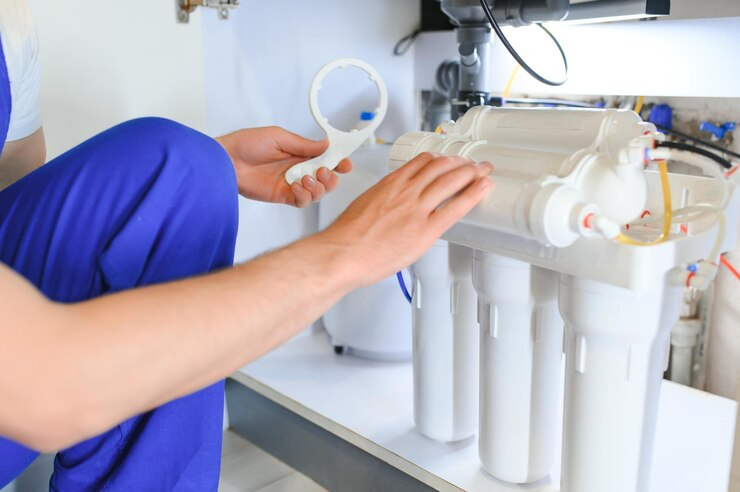
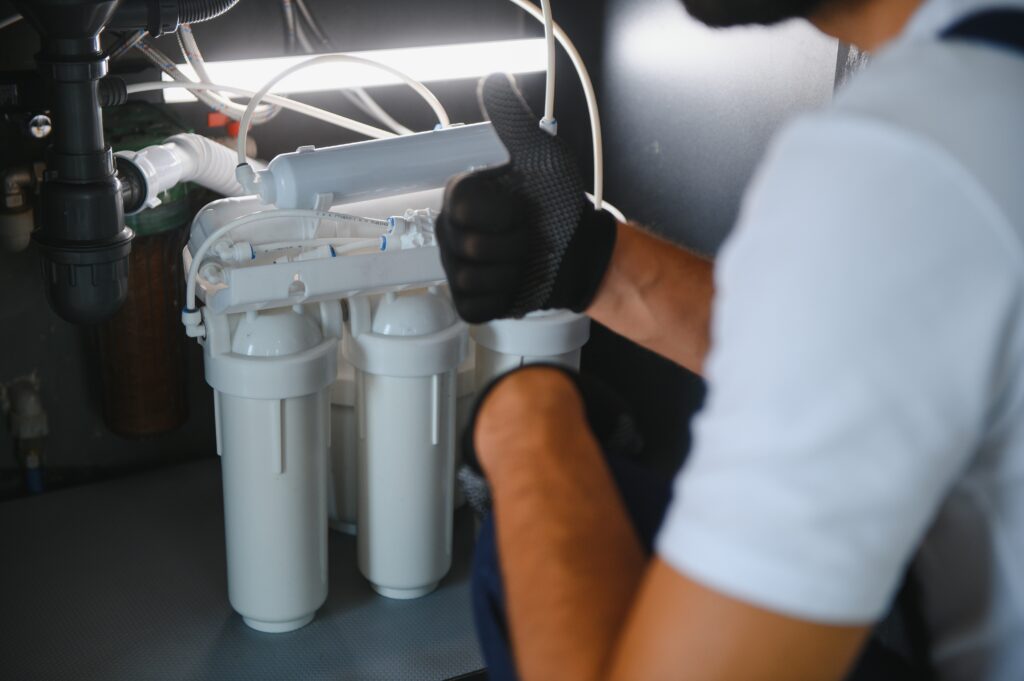
Think about how much you spent on bottled water last year. Now double it. That’s probably closer to the true cost—especially if you’re buying individual bottles or paying for weekly deliveries. The convenience of bottled water comes with a hefty price tag, and for most families, there’s a smarter way. At Everest Water, we’ve been helping Ventura County homeowners and businesses break free from the endless cycle of bottled water for over 35 years. In this guide, we’ll show you exactly why bottled water cost vs home filtration isn’t even a fair fight—and how our rental options can make switching affordable and hassle-free. The True Cost of Bottled Water: More Than You Think Let’s do the math on why bottled water is expensive. The Per-Gallon Reality: Bottled water costs roughly $1.22 to $8.00 per gallon, depending on whether you buy in bulk or single servings. Compare that to tap water, which costs less than a penny per gallon. Even high-end filtration systems deliver purified water for pennies a day. Annual Family Spending: A family of four drinking the recommended eight glasses daily will spend $800 to $2,400 per year on bottled water. Over five years, that’s $4,000 to $12,000—for something you can produce at home for a fraction of the cost. Hidden Costs You’re Already Paying: Gas for trips to the store Delivery fees and tips Storage space in your kitchen or garage Time spent hauling, stacking, and recycling The environmental guilt of plastic waste Why Bottled Water Costs So Much: You’re not just paying for water. You’re paying for plastic bottles, caps, labels, packaging, transportation fuel, warehouse storage, marketing campaigns, and corporate profits. The water itself? Almost free. Home Bottled Water Alternatives: What Are Your Options? Home bottled water alternatives have never been better. Modern filtration systems deliver water that tastes purer and cleaner than anything from a bottle—without the ongoing expense. Reverse Osmosis Systems: The Gold Standard A 5-stage reverse osmosis drinking water system removes lead, organics, PCBs, herbicides, pesticides, drugs, hormones, and gases present in your tap water. The result is water so pure you’ll taste the difference in your coffee, cooking, and drinking. Cost: With Everest Water, you can rent a 5-stage RO system for just $24.99/month—including free filter changes. That’s less than most families spend on bottled water in a single week. Reverse osmosis cost savings add up fast. At $300/year for unlimited purified water vs. $1,200/year for bottled, you’re saving $900 annually. Year after year. Alkaline Water Systems: Enhanced Health Benefits An alkaline water system builds on reverse osmosis with an additional pH-adjusting mineral cartridge that adds 7 beneficial minerals for improved flavor and health. The alkaline water system benefits include better hydration, antioxidant properties, and great taste. Cost: $39.99/month with free filter changes—still far less than bottled water for a premium product. Whole House Filtration: Protect Everything For those wanting whole house filtration savings, a whole house carbon filter removes chlorine, chloramines, volatile organic compounds, pesticides, chemicals, and heavy metals from every tap. It improves taste, eliminates odors, and protects your skin and hair from chlorine damage. Cost: $39.99/month—a small investment for better water throughout your home. Bottled Water vs. Home Filtration: The 5-Year Cost Comparison Let’s put it side by side. Option Yearly Cost 5-Year Cost Includes Bottled Water (family of 4) $1,200 $6,000 Endless store trips, plastic waste, heavy lifting 5-Stage RO Rental (Everest) $300 $1,500 Unlimited pure water, free filter changes, installation, support Alkaline System Rental $480 $2,400 Premium mineral water, all benefits of RO, free filter changes Your Savings with RO $900/year $4,500/5 years Money back in your pocket The verdict: After the first few months, your filtration system has paid for itself. Every drop after that is money saved. Beyond Cost: The Benefits of Water Filtration vs Bottled Water Unlimited Supply: Never run out of water at 2 AM. Never lug cases from the car again. Your tap delivers perfect water 24/7. Better Taste: RO systems remove the chlorine and mineral tastes that make tap water unpleasant. The result is crisp, clean, delicious water. Healthier Choices: Remove contaminants you don’t want while keeping beneficial minerals (with alkaline systems). Your family deserves the best. Eco Friendly Water Solutions: Every plastic bottle eliminated is a win for the planet. A family switching from bottled to filtration prevents 1,000 to 2,000 plastic bottles from entering landfills each year. Convenience for Business: Commercial water treatment options mean your office or business can offer employees and customers premium water without the hassle of bottle deliveries. Business bottled water solutions from Everest eliminate delivery trucks, storage clutter, and ongoing costs. Why Rent from Everest Water? The Smartest Investment You’ll Make $24.99/month for unlimited pure water. That’s less than most families spend on bottled water in a week. Here’s what you get: FREE filter changes for life—we handle the maintenance so you don’t have to Same-day quotes and installation—we respect your time No long-term contracts—rent month-to-month with no penalties Talk to a real person—no automated menus, no endless holds 35 years of local expertise—we’re your neighbors, not a faceless corporation Purchase options also available if you prefer to own your system outright. How to Choose the Right System for Your Home Not sure where to start? We offer free, no-pressure consultations to assess your water quality, lifestyle, and household size. We’ll recommend the best solution—whether that’s a simple RO, an alkaline upgrade, or whole house protection. Factors we consider: Your current water quality concerns Family size and water usage Budget and long-term goals Interest in alkaline or mineral-enhanced water Frequently Asked Questions How much does a home filtration system really cost? With Everest Water’s rental plans, you can get a top-tier 5-stage reverse osmosis system for just $24.99/month. This includes installation, free filter changes for life, and unlimited pure water. Will I save money switching from bottled water? Absolutely. The average family spends $1,200+ annually on bottled water. Our RO rental is $300/year. You save $900 every single year—money that stays in your pocket rather than going to plastic bottles and delivery trucks. What’s the best system for my home? It depends on your needs. For most families, a 5-stage reverse osmosis system provides perfect drinking and cooking water. If you prefer mineral-enhanced water with higher pH,

Diagnose Water Equipment Problems
Blog

How to Diagnose and Fix Common Water Equipment Problems at Home

Your water softener, reverse osmosis system, or whole-house filter silently does its job—until it doesn’t. A change in taste, a drop in pressure, or unexpected salt usage can leave you wondering if it’s a minor hiccup or a major failure. This practical guide will help you understand how to diagnose water equipment problems confidently, know when you can attempt a simple fix, and recognize when it’s time to call your trusted local experts at Everest Water in Ventura County. Listen to Your Water: The First Signs of System Failure Your water will tell you when something’s wrong. These are the initial signs of a failing water filtration system or softener that should prompt a closer look: Change in Taste or Odor: Your purified water suddenly tastes “off,” salty, or has a metallic or chemical smell. Drop in Water Pressure: Noticeably weaker flow from faucets or showerheads, especially after the point where your system is installed. Water Spots & Soap Issues: A water softener that’s not working will allow hard water minerals through, leading to more spots on dishes, soap that doesn’t lather well, and stiff laundry. Unusual System Noises: Excessive clicking, grinding, or humming from the control valve or brine tank of your softener. Salt or Water Usage Changes: Your softener is using salt much faster than usual, or you notice a constant trickle of water in the drain line. System-by-System Guide: Diagnosing Softeners, R/O, & Filters Here’s a targeted water equipment troubleshooting guide to help pinpoint the issue: Water Softener Problems: Symptom: Hard water symptoms (spots, dry skin) return. Check: Salt level in the brine tank. Is it a solid bridge? Is there enough water in the tank (about ⅓ full)? Symptom: System is stuck in regeneration cycle or regenerates constantly. Check: The control head timer settings; a power outage can reset them. Reverse Osmosis (R/O) System Problems: Symptom: Low water production or slow-filling storage tank. Check: The pre-filters and post-filter; they may be clogged. This is a common water filter maintenance issue. Symptom: Water tastes bad or TDS (total dissolved solids) meter reading is high. Check: The R/O membrane; it may be fouled or need replacement. Whole-House & Point-of-Use Filter Problems: Symptom: Reduced water pressure throughout the house. Check: The sediment filter cartridge; it’s likely clogged and needs a standard change-out. Your DIY Troubleshooting Checklist: Simple Fixes to Try Before you call for service, run through this quick checklist for common water system failures: Power & Bypass: Is the unit plugged in and receiving power? Is it accidentally in bypass mode? Salt & Brine Tank: For softeners, ensure salt isn’t mushy or bridged. Manually stir the salt and break any crust. Filter Check: Note the last time filters were changed. Visually inspect sediment filters for heavy discoloration. Valve Position: Confirm all system valves (inlet, outlet, bypass) are in the correct “service” position, not halfway. Reset: Try a simple power cycle—unplug the system for 30 seconds, then plug it back in. When to Call the Pros: Red Flags for Professional Diagnosis & Repair Some water system performance issues signal the need for expert help. Call for a professional water equipment diagnosis serviceContact Us if you notice: Major Leaks: From the tank, control valve, or connecting lines. Electrical Issues: Control panel displays error codes or is completely dead. Mechanical Failure: The motor or brine pump isn’t running at all. No Improvement: After trying basic fixes, the problem persists. Complex Repairs: Internal valve seals, injectors, or electronic boards likely need a trained technician for reverse osmosis repair service. Prevention is Key: Essential Maintenance to Avoid Problems The best diagnosis is the one you never need. A proactive home water system inspection and maintenance routine prevents most headaches: Softener Salt: Keep the brine tank at least half full with high-purity salt pellets. Check monthly. Filter Schedules: Mark your calendar! Change sediment and carbon pre-filters every 6-12 months. Change R/O membranes every 2-3 years. Sanitization: Periodically sanitize your R/O system and softener (per manufacturer guidelines) to prevent bacterial growth. Annual Professional Tune-Up: Have a technician from Everest Water perform an annual check-up to catch small issues before they become big repairs. Why Everest Water Is Your Trusted Diagnosis & Repair Partner For over 35 years in Ventura County, we’ve built our family business on being “Your friend in the water business.“ When DIY troubleshooting reaches its limit, you need a partner you can trust. Our philosophy is simple: “Talk to a person, not an answering machine.” You’ll get a real, local expert on the phone who listens. We offer same-day quotes and installation for urgent needs, because water problems can’t always wait. Our “Rent or Buy” options provide flexibility, and we stand by our service with FREE Filter Changes On All Rented Drinking Water Systems. With Everest Water, you get honest advice, not pressure. FAQ Section: Your Water Equipment Problems, Answered Q: How often should I really change my water filters? A: It depends on your water usage and quality. A general rule: sediment/carbon pre-filters every 6-12 months, and the R/O membrane every 2-3 years. If you notice a pressure drop or taste change sooner, change them. We provide free filter changes on our rental drinking water systems to make this effortless. Q: My water is salty. Does this mean my softener is broken? A: Not necessarily. It can often mean a simple issue like a clogged injector or brine valve, which is preventing the system from properly rinsing the salt brine out during regeneration. This is a very common and usually repairable issue that our technicians handle regularly. Q: Can I damage my system by trying to fix it myself? A: Basic checks (power, salt, bypass valves) are safe. However, disassembling control valves or electrical components without proper training can void warranties and lead to costly damage. When in doubt, call for a professional drinking water system service. Q: What’s included in a professional system inspection from Everest Water? A: Our technician will test your water quality before and after the system, check all mechanical and electrical components, inspect for leaks, verify regeneration cycles, assess filter condition, and provide a clear report on your system’s health and any needed actions. Schedule a Professional Water System Inspection Today Don’t let water equipment problems cause you stress or lead to bigger, more expensive repairs. Whether you’ve run through our guide or just want the

eco conscious home water systems Oxnard
Blog

Common Water Softener Problems: Causes, Troubleshooting & Easy Fixes

Introduction A water softener system is a vital appliance for many homes, removing hardness minerals like calcium and magnesium from your water supply. When it works, it protects your pipes, improves soap efficiency, and prevents scale buildup. However, when problems arise, you quickly feel the effects of hard water: spotty dishes, dry skin, poor lather, and potential damage to water heaters and appliances. This decline in performance is a primary concern for homeowners. Before you pick up the phone to call a professional, a bit of basic troubleshooting can often save you time and money. Many water softener problems have simple causes that you can identify and sometimes fix yourself. This guide will walk you through the most common issues and their solutions. 1. What Are Common Water Softener Problems? Homeowners often encounter a predictable set of issues. Understanding these is the first step in water softener troubleshooting. Here’s an overview of the typical common water softener problems: No Soft Water: Hard water is still flowing to your fixtures. Low Water Pressure: Noticeable drop in flow throughout the house. Salt Not Dissolving: Salt level in the brine tank remains unchanged. Frequent Regeneration: The system runs its cleaning cycle too often. Strange Noises: Banging, clanking, or humming during operation. Leaks: Water pooling around the unit or brine tank. Error Codes: Alphanumeric messages flashing on the control valve. Resin Bead Issues: Beads clogging pipes or exiting faucets. These water softener maintenance issues homeowners face can stem from simple oversights or more complex component failures. 2. Why Is My Water Softener Not Working? When your system fails completely, it’s usually due to a few general reasons: Power or Water Supply Interruption: A tripped breaker, unplugged unit, or a closed bypass valve. Control Head Malfunction: The “brain” of the system (timer, computer, or motor) is faulty. Severe Internal Clogging: Resin bed or injector is blocked, halting the softening process. Depleted or Fouled Resin: The resin beads that do the softening are exhausted or damaged. Start by checking the basics: Is it plugged in? Is the bypass valve in the correct (“service”) position? Is there water pressure to the unit? 3. Top Symptoms & What They Mean 3.1 Water Softener Not Softening Water This is the core failure. The water softener not softening water causes include: Salt Depletion: The most common reason. Check the brine tank. Salt Bridge: A hard crust forms over the water, preventing salt from dissolving. Incorrect Settings: The hardness level or regeneration schedule is set wrong. Clogged Injector or Screen: Prevents the brine solution from being drawn into the resin tank. Exhausted Resin Beads: They can no longer hold sodium ions to exchange for hardness minerals. First Check: Test your water hardness. If it’s high, manually start a regeneration cycle and see if salt is being used. 3.2 Water Softener Low Water Pressure Problem A water softener low water pressure problem isn’t always the softener’s fault, but it often is. Causes include: Clogged Inlet/Outlet Screens: Small screens on the control valve get blocked by debris. Fouled Resin Bed: Iron, manganese, or sediment can clog the resin, restricting flow. Internal Valve Failure: A stuck or malfunctioning control valve can restrict water passage. Bypass Valve Partially Engaged: Not fully in the “service” position. 3.3 Water Softener Making Noise During Regeneration Some noise is normal, but loud sounds indicate issues: Clicking/Ticking: Often the gears in the control head motor. Banging/Hammering: “Water hammer” from rapid valve closure; may require an expansion tank. Rattling: Loose parts or mineral chunks in the brine tank. Grinding: A sign of a failing motor in the control head. 4. Water Softener Troubleshooting Guide 4.1 How to Troubleshoot Water Softener Problems at Home A systematic approach is key for how to troubleshoot water softener problems at home: Observe: Note symptoms (noise, leaks, water hardness). Check Basics: Power, bypass valve position, salt level. Inspect: Look for visible salt bridges, leaks, or damaged parts. Test: Perform a hardness test on treated water. Consult Manual: Your water softener troubleshooting manual is brand/model-specific. Simple Fixes: Top up salt, break a salt bridge, clean the brine tank, clean inlet screens. Manual Regeneration: Force a cycle to see if the system operates. 4.2 Water Softener Troubleshooting Manual Basics Never throw away your system’s manual. It contains: Error Code Definitions: Specific to your model. Factory Settings: The correct hardness, regeneration time, and capacity settings. Parts Diagrams: Helps identify components. Reset Procedures: Steps to reboot the computer or reset the timer. 5. Specific Problem Fixes 5.1 How to Fix a Clogged Water Softener Signs: Low pressure, poor softening, long brine fill times. Steps: Bypass the system. Clean the venturi/injector and screen (located in the control valve). For a clogged resin bed, consider a specialized resin cleaner. For severe sediment, a pre-filter may be needed upstream. 5.2 Water Softener Salt Not Dissolving Problem If the salt level stays constant, you likely have a water softener salt not dissolving problem. Salt Bridge: Use a broom handle to gently break up the hard layer. Mushy Salt: Old salt can form a sludge at the bottom. Remove all salt and sludge, clean the tank, and refill with high-quality salt. Low Water Level: The brine well (the small tube in the tank) should have water. If not, the float or fill system may be faulty. 5.3 Water Softener Stopped Using Salt & Brine Tank Issues Explained A water softener stopped using salt is central to many water softener brine tank issues explained below: Salt Bridge: As above, prevents water from contacting salt. Clogged Injector/Nozzle: The most common mechanical cause. Clean it. Faulty Brine Line or Float: The brine line may be kinked or the float may be stuck, stopping water from entering the tank to make brine. Control Valve Timer/Setting Error: The system isn’t programmed to draw brine. 5.4 Water Softener Resin Bead Problems Water softener resin bead problems occur when beads are: Exhausted: They lose capacity and need regenerating more often. If they stop working entirely, replacement is needed. Fouled by Iron/Manganese: They get coated and can’t function. An iron-specific resin cleaner may help. Escaping into Plumbing: A broken “basket” or distributor tube at the bottom of the resin tank is letting beads through. This requires professional repair. 5.5 Water Softener Regenerating Too Often A water softener regenerating too often wastes water and salt. Incorrect Hardness Setting: Set too high. Low Salt: The system tries to regenerate but can’t, so it tries again sooner.

eco conscious home water systems Oxnard
Blog

5 Common Water Equipment Problems

Clean, reliable water is essential for every home. Yet, many homeowners encounter frustrating issues with their water equipment. Understanding these common problems can help you identify issues early and know when to call a professional. Here are the five most common water equipment problems and how experts efficiently solve them. 1. Water Filtration Issues A water filtration system is your first line of defense against contaminants. When it fails, you might notice a change in taste, odor, or clarity. Common water filtration issues include clogged filters, bacterial growth inside the unit, or a complete bypass of unfiltered water. The culprit is often a filter that has exceeded its lifespan. Experts fix this by systematically isolating each filter stage, replacing cartridges with manufacturer-approved parts, and sanitizing the housing to prevent biofilm buildup. Regular maintenance schedules are their best tool for prevention. 2. Water Softener Problems at Home Hard water leaves scale on your appliances, dries out your skin, and spots your dishes. Water softener problems at home typically manifest as hard water returning or the system using too much salt. This can be due to a clogged injector, a malfunctioning control valve, or a depleted resin bed. A technician will first test the inlet water hardness and system settings. The repair often involves cleaning or replacing the injector assembly, reprogramming the regeneration cycle, or, in severe cases, re-bedding the tank with fresh resin to restore ion-exchange capacity. 3. Low Water Pressure Causes Nothing is more annoying than a weak shower stream. Low water pressure causes can be system-wide or localized to one fixture. While municipal supply issues can be a factor, often the problem lies within your home’s equipment. It could be a clogged sediment filter before your softener, a fouled reverse osmosis membrane, or a failing pressure tank on a well system. Experts use pressure gauges at various points to diagnose the blockage or failure. The solution may be as simple as filter replacement or as complex as repressurizing or replacing a water pump. 4. Reverse Osmosis System Issues Under-sink RO systems provide ultra-pure drinking water. Common reverse osmosis system issues include slow water production, constant tank drainage, or poor water quality (high TDS). These point to a fouled membrane, a stuck ASO valve, or a failing check valve. The expert’s approach is to test the total dissolved solids (TDS) before and after the membrane. A low rejection rate means membrane replacement. They also check for valve failures and ensure the storage tank’s air pressure is correct, often fixing the problem with precise component swaps. 5. Leaking Water Filter Problems Water damage can be costly. Leaking water filter problems usually occur at filter housing O-rings, loose sumps, or at the tubing connections. Overtightening a housing can damage the seal as easily as under-tightening. Experts carry a kit of standard O-rings and wrenches. They will shut off the water, depressurize the system, and methodically inspect each connection. The fix involves replacing worn seals, properly aligning and hand-tightening housings, and securing quick-connect fittings. They always perform a thorough pressure test before leaving. Recognizing the Signs of Water Equipment Failure Staying ahead of major breakdowns means watching for the signs of water equipment failure. These include unusual noises from pumps or tanks, unexplained increases in water or salt usage, fluctuating water pressure, or a marked decline in water quality. Early detection is key. Home water system troubleshooting starts with checking for simple things: is the unit plugged in? Is the bypass valve engaged? Is there a visible leak? For more complex residential water equipment problems, a professional diagnosis saves time and money. When Problems Overlap: Home Water System Troubleshooting Often, one issue can cause another. A faulty water pump can lead to low water pressure. A clogged pre-filter can cause reverse osmosis system issues. This is why a holistic view is essential. Water purification system problems with both a softener and an RO unit require checking that they are sequenced correctly—softener before RO to protect the membrane. Water pump problems at home, like short cycling, often relate to pressure switch or tank bladder issues, not the pump itself. Experts connect these dots. Is Your Water Equipment Acting Up? Don’t Wait for a Flood or a Dry Glass. The top water equipment issues we’ve discussed won’t fix themselves. From mysterious leaks to the frustration of low pressure, ignoring problems leads to bigger repairs and potential water damage. At Everest Water, we specialize in diagnosing and fixing residential water equipment problems efficiently and correctly the first time. Our certified technicians understand how your entire home water system works together. Schedule a professional diagnosis and repair service today. Enjoy peace of mind and perfect water again.   Frequently Asked Questions (FAQs) Q: How often should I change my water filters? A: It depends on usage and water quality, but generally, sediment filters every 3-6 months, carbon filters every 6-12 months, and RO membranes every 2-3 years. Your technician at Everest Water can recommend a schedule based on your specific water. Q: Can I repair leaking water equipment myself? A: For minor O-ring replacements on filter housings, if you’re handy, you can try. However, for major leaks or pressurized lines, it’s safest to shut off the water and call a professional to prevent water damage. Q: What’s the most ignored sign of water softener problems? A: Using salt at a normal rate but still having hard water. People often think it’s working if it’s using salt, but it could be bypassing or not regenerating properly. This is a key sign of water equipment failure. Q: Is low water pressure always my equipment’s fault? A: Not always. It can be a municipal issue or a clog in your home’s pipes. But by checking your water filter and softener first, you can often rule out or confirm the most common low water pressure causes related to equipment. Q: My RO water is tasting odd again just months after a filter change. Why? A: This is a classic reverse osmosis system issue. The storage tank might need sanitizing, or the post-filter may be exhausted. Stagnant water in the tank can cause taste problems. A

Blog

Top Contaminants in Home Water: What They Are and How to Remove Them Effectively

You turn on the tap and expect clean, safe water. But what’s really in your glass? Understanding the common home water contaminants is the first step toward protecting your family’s health and your home’s plumbing. This guide will demystify the most frequent unwelcome guests in your water supply, explain the very real risks they pose, and—most importantly—give you a clear, actionable plan for how to remove contaminants from water effectively. Let’s dive into the world of water quality and empower you to take control. Why You Should Care About Your Home’s Water Quality Water is essential for life, but contaminated water can be a source of illness, damage to your appliances, and unpleasant tastes or odors. The quality of your tap water can vary based on your location, the age of your home’s plumbing, and even seasonal changes. Being proactive about identifying and removing common water pollutants in homes is not just about peace of mind; it’s a critical investment in your long-term well-being. Knowledge is your first filter. The Most Common Home Water Contaminants and Their Effects Let’s break down the typical culprits found in residential water, categorized for clarity. 1. Sediment: The Gritty Intruder What it is: Dirt, sand, rust, and other suspended particles. Common Sources: Corroding pipes, construction runoff, or natural deposits in the water source. Signs & Risks: Cloudy water, clogged faucet aerators and showerheads, sediment in your toilet tanks, and potential damage to water-using appliances. How to Remove It: A simple sediment filter, often a pleated polyester or string-wound cartridge, is the first line of defense in any comprehensive water filtration methods explained plan. It acts as a physical barrier, trapping these particles before they enter your home’s plumbing. 2. Chlorine and Chloramines: The Double-Edged Sword What it is: Chemicals deliberately added by municipal treatment plants to kill harmful bacteria and viruses. Common Sources: Your local water treatment facility. Signs & Risks: That distinct “swimming pool” smell and taste. Chlorine can dry out your skin and hair, and when it reacts with organic matter, it can form harmful byproducts like trihalomethanes (THMs). How to Remove It: A high-quality activated carbon filter for water purification is extremely effective at removing chlorine, its bad taste, and its odor. This is a core component of how to improve drinking water quality at the point of use. 3. Heavy Metals: The Invisible Threat What they are: Lead, mercury, arsenic, and copper. Common Sources: Lead from old pipes and plumbing fixtures (like those installed before 1986), industrial pollution, or natural mineral deposits. Signs & Risks: Often tasteless and odorless, making them particularly dangerous. Long-term exposure can lead to serious neurological, developmental, and organ damage, especially in children. How to Remove Them: While carbon filters can reduce some metals, the most effective solution is a reverse osmosis (RO) system. The semi-permeable membrane in an RO system is designed to filter out these dangerous dissolved metals, which is one of the critical reverse osmosis benefits. 4. Microorganisms: The Biological Invaders What they are: Bacteria, viruses, cysts (like Cryptosporidium and Giardia). Common Sources: Can enter the water supply through breaches in the system or from contaminated well water. Signs & Risks: Can cause gastrointestinal illness, with symptoms like cramps, diarrhea, and vomiting. How to Remove Them: While municipal treatment handles most of these, private wells are vulnerable. Ultraviolet (UV) light disinfection is a highly effective, chemical-free way to destroy over 99.9% of harmful microorganisms, making it a powerful safe drinking water solution. 5. Nitrates and Pesticides: The Runoff Risk What they are: Chemicals from agricultural fertilizer and pesticide runoff that can seep into groundwater. Common Sources: Farms and lawns in your watershed. Signs & Risks: Particularly dangerous for infants, causing “blue baby syndrome” (methemoglobinemia). Long-term exposure is also a health concern for adults. How to Remove Them: Specialized ion exchange filters or, most reliably, a reverse osmosis system are the best water purification methods for removing nitrates and many synthetic organic chemicals (SOCs) like pesticides. 6. Hard Water Minerals: The Scale Builders What they are: Calcium and magnesium. Common Sources: Dissolved from limestone and other mineral deposits as water travels through the ground. Signs & Risks: While not a health risk, they cause scale buildup in pipes and appliances (reducing efficiency and lifespan), leave spots on dishes and glass shower doors, and make soaps and detergents lather less effectively. How to Remove Them: A whole-house water softener using ion exchange technology is the standard solution. The benefits of whole house water filtration like this extend to protecting your entire home’s plumbing and improving cleaning efficiency. How to Identify What’s in Your Water: A Guide to Water Testing for Homes You can’t fix a problem you don’t know you have. So, how to make drinking water safer starts with a test. Here are your options: Review Your Water Quality Report: If you’re on a municipal supply, your water provider is required to provide an annual Consumer Confidence Report (CCR). This details what is in tap water from their system. At-Home Test Kits: These are a good starting point for basic parameters like hardness, chlorine, pH, and some metals. They provide a quick snapshot. Professional Laboratory Testing: For the most accurate and comprehensive analysis, especially for private wells, a certified lab test is essential. It can identify specific bacteria, heavy metals, VOCs, and other concerning contaminants that DIY kits might miss. Knowing the specific signs of contaminated tap water—like strange odors, tastes, or staining—can help you decide which tests to prioritize. Choosing the Right System for Your Needs Point-of-Use (POU) Systems: These treat water at a single tap, like your kitchen sink. Under-sink reverse osmosis systems and carbon filter pitchers are popular POU options, perfect for how to improve drinking water quality for cooking and drinking. Point-of-Entry (POE) Systems: Also known as whole-house systems, these treat all the water entering your home. This includes water softeners and whole-house sediment/carbon filters. The benefits of whole house water filtration include protecting your appliances, pipes, and providing treated water for bathing and laundry. Frequently Asked Questions What is the most dangerous contaminant in home water? The risk depends on the individual and the contaminant. For infants, nitrates are extremely dangerous. For everyone, long-term exposure to invisible threats like lead, arsenic, or certain bacteria poses significant health risks. This is why professional water testing for homes is so critical.

water softener systems ventura county water softener systems ventura ventura water softener installation best water softener company ventura whole house water softener ventura residential water softener ventura commercial water softener ventura affordable water softener ventura salt free water softener ventura
Article, Blog, post

7 Proven Benefits of Water Softener Systems in Ventura

Introduction: The Hard Truth About Ventura’s Water If you’ve noticed spotty glassware, dry skin after showers, or a stubborn film on your shower doors, you’re experiencing the effects of hard water. Here in Ventura, our water contains high levels of minerals like calcium and magnesium. While not harmful to health, these minerals wreak havoc on your home, your appliances, and even your skin and hair. But there’s a solution that thousands of local homeowners have already discovered. This guide will walk you through the seven most significant, proven benefits of installing a water softener systems ventura in your home. We’re not just talking about theory—these are the real, tangible improvements you can expect when you partner with a trusted local water conditioning ventura expert like Everest Water. Benefit 1: Softer Skin and More Manageable Hair Hard water minerals react with soap to form a sticky film called “soap scum.” This residue doesn’t just coat your tub; it clings to your skin and hair, stripping away natural oils. The Transformation: With a whole house water softener ventura, soap lathers easily and rinses away completely. The result? Your skin feels naturally softer and less itchy, and your hair becomes more manageable, shinier, and less prone to frizz. It’s like giving your entire family a daily spa-grade treatment. Benefit 2: Spot-Free Dishes and Crystal-Clear Glassware   That cloudy film on your dishes and shower doors is a direct deposit of hard water minerals. No matter how much you scrub, hard water ensures the spots keep coming back. The Transformation: Soft water eliminates the minerals that cause spots. Your dishwasher detergent can work effectively, and you’ll finally achieve the spot-free, streak-free shine you expect from your glasses, silverware, and fixtures. You’ll save time and frustration by drastically reducing your need to hand-dry and re-wash items. Benefit 3: Longer Lifespan for Your Appliances   This is where a water softener systems ventura county installation pays for itself. Scale buildup from hard water acts as an insulator inside your water heater, pipes, washing machine, and dishwasher. This forces them to work harder, use more energy, and ultimately fail prematurely. The Transformation: By preventing scale, a softener protects your investments. Studies show that soft water can help water heaters maintain efficiency and extend their lifespan. You’ll save money on costly repairs and early replacements for all your major appliances. Benefit 4: Cleaner, Brighter, and Softer Laundry   The same soap-scum problem that affects your skin also impacts your clothes. Hard water prevents detergents from fully dissolving and rinsing out, leaving fabrics stiff, dull, and rough. The Transformation: Soft water allows your detergent to activate fully, getting clothes cleaner and rinsing out completely. You’ll notice your whites are brighter, colors are more vibrant, and fabrics like towels and sheets are noticeably fluffier and softer against your skin. Benefit 5: Significant Savings on Soaps and Cleansers   Because soft water creates a richer lather and rinses cleanly, you need far less soap, shampoo, laundry detergent, and dish soap to get the job done. Many families find they use 50-75% less of these products. The Transformation: This is an ongoing, direct cost savings. Your bottles of shampoo and detergent will last significantly longer, putting money back in your pocket every month and reducing the number of chemicals going down your drain. Benefit 6: A More Efficient, Eco-Friendly Home   An efficient home is an eco-friendly home. By preventing scale in your pipes and water heater, your appliances don’t have to work as hard, which reduces your home’s energy consumption. Using less soap and detergent also means fewer chemicals in the wastewater system. The Transformation: For those seeking an eco friendly water softener ventura option, modern systems are more efficient than ever. You can reduce your carbon footprint and lower your utility bills simply by solving your hard water problem. Benefit 7: Pure, Great-Tasting Water on Demand   While a standard softener addresses hardness, many homeowners want the ultimate in water purity. This is where a combined system shines. By pairing a softener with a reverse osmosis and softener ventura setup, you tackle two problems at once. The Transformation: Your entire home enjoys the benefits of soft water, while a dedicated drinking water softener ventura faucet at your kitchen sink provides perfectly purified, exceptional-tasting water for drinking and cooking, free from contaminants and hardness. Frequently Asked Questions (FAQs)   Q1: What’s the difference between a water softener and a water filter? This is a common point of confusion. A water filtration and softening ventura system can address both, but they are different. A softener specifically removes hardness minerals (calcium, magnesium) through ion exchange. A filter removes other contaminants like chlorine, sediment, and chemicals. Many of our water softener systems ventura can be combined with filters for complete hard water treatment ventura and purification. Q2: Are there salt-free water softener options? Yes! For homeowners interested in a salt free water softener ventura, we offer template-assisted crystallization (TAC) systems. These systems condition the water by crystallizing the hardness minerals so they can’t stick to surfaces, without adding sodium to your water. We can help you decide which type is best for your home. Q3: How much does a typical system cost? We pride ourselves on offering an affordable water softener ventura solution for every budget. The cost depends on the size of your home, your water usage, and the technology you choose (traditional salt-based or salt-free). The best way to get an accurate price is with a free, in-home water analysis. Q4: Do you offer service for businesses as well? Absolutely. Our expertise isn’t limited to homes. We design and install robust commercial water softener ventura systems for restaurants, hotels, salons, and offices throughout the county, where scale buildup can be even more damaging and costly. Q5: What kind of maintenance is required? Water softener maintenance ventura is straightforward. For salt-based systems, you’ll need to add high-quality salt pellets to the brine tank every few months, which we can deliver. We also recommend an annual check-up by our team to ensure optimal performance, which we include in our service plans.   Ready to Experience the Everest Water Difference?   You’ve seen the proven benefits.

water softener systems ventura county water softener systems ventura ventura water softener installation best water softener company ventura whole house water softener ventura residential water softener ventura commercial water softener ventura affordable water softener ventura salt free water softener ventura
Article, Blog, post

7 Reasons Ventura Homeowners Choose Everest for Carbon Filter Installation

Introduction: Your Home’s Water, Transformed Imagine turning on any faucet in your Ventura home and being greeted by clean, great-tasting water—free from the harsh taste and smell of chlorine. For many homeowners, this isn’t just a dream; it’s a reality achieved with a whole house carbon filter Ventura system. But with several options available, why do so many local residents consistently choose Everest Water Conditioning? This guide isn’t just a list of features. It’s a deep dive into the seven core reasons that make our carbon water filtration system Ventura the trusted solution for health-conscious families. We’ll explore the tangible benefits, the behind-the-scenes expertise, and the long-term value that turns a simple installation into a lasting investment in your home’s well-being. Unmatched Mastery of Carbon Filtration Technology Not all filters are created equal. An activated carbon filter Ventura system’s effectiveness hinges on the quality of the carbon and the engineering of the tank. We don’t use off-the-shelf components. Our high quality water filter Ventura systems feature NSF-certified catalytic carbon, a superior media specifically designed to adsorb chlorine, chloramines, and volatile organic compounds (VOCs) more effectively than standard options. What This Means for You: Your water isn’t just filtered; it’s thoroughly purified. You get a truly chemical free water filtration Ventura experience, ensuring that every shower and every glass of water is of the highest purity standard. A Holistic Solution for Your Entire Home A point-of-use filter under your sink is a start, but it only protects one tap. A whole house water filter Ventura system from Everest Water Conditioning is a point-of-entry solution. This means every drop of water entering your home is treated, providing healthy drinking water Ventura from the kitchen sink, and also delivering benefits throughout your entire house. What This Means for You: Softer Skin & Hair: Bathing in chlorine-free water is gentler on your skin and hair. Brighter, Softer Laundry: Chlorine can fade and stiffen fabrics. Filtered water keeps clothes vibrant and soft. Pure Water in Every Room: From the bathroom sink to the garden hose, your entire property enjoys the benefits. The Premier Goal: Remove Chlorine from Water Ventura The primary complaint about municipal water in our area is the distinct taste and odor of chlorine. While it’s used to keep water safe to the city’s main, it’s unwanted in your home. Our systems are meticulously designed with one primary mission: to effectively remove chlorine from water Ventura. Our catalytic carbon is exceptionally proficient at this task, eliminating not just the chlorine but also the byproducts it can create. What This Means for You: Say goodbye to “swimming pool” smelling water and the unpleasant chemical aftertaste in your coffee, tea, and meals. You’ll rediscover the natural, clean taste of your water. Custom-Engineered Residential Water Filtration We understand that every Ventura home is unique, with different water usage patterns and plumbing configurations. A one-size-fits-all approach doesn’t work. Our experts conduct a thorough assessment to design a residential water filtration Ventura system that is perfectly sized and calibrated for your specific property. What This Means for You: You never pay for more system than you need, nor are you left with an underperforming unit. You get a Ventura home water filter solution that delivers optimal flow rate and filtration efficiency for your family’s lifestyle. Seamless, Professional Installation You Can Trust The best filter in the world is only as good as its installation. Our carbon filter installation Ventura process is handled by certified, background-checked technicians who take immense pride in their work. We treat your home with respect, ensuring a clean, efficient, and code-compliant installation that integrates seamlessly with your plumbing. What This Means for You: Absolute peace of mind. There are no leaks, no messy work areas, and no surprises. Your system is installed correctly the first time, guaranteeing its performance and longevity from day one. The Everest Standard of Customer Care Choosing Everest Water Conditioning Ventura means you’re choosing a partner, not just a provider. Our relationship begins with the consultation and continues for the life of your system. We are your single point of contact for all your clean water solutions Ventura needs. What This Means for You: You receive proactive reminders for filter changes, prompt answers to your questions, and the reassurance that we stand behind every system we install. Your satisfaction is our ultimate metric for success. Proven Local Expertise You Can Rely On As a Ventura-based company, we have an intimate understanding of our local water supply. We know its seasonal variations and specific challenges. This local expertise allows us to provide carbon filtration benefits Ventura homeowners can count on, year-round. We’re not a national chain; we’re your neighbors, and we’re invested in the health of our community. What This Means for You: You get advice and solutions that are specifically tailored to Ventura’s water conditions. You’re benefiting from knowledge that generic, large corporations simply don’t possess. Frequently Asked Questions (FAQs) Q1: How does a whole-house carbon filter differ from my pitcher filter? A pitcher filter is a simple point-of-use device with a small amount of carbon, primarily for improving taste. A whole house carbon filter Ventura system is a point-of-entry solution that uses a large tank of high-grade carbon to treat all the water entering your home, removing chlorine and other chemicals not just from your drinking water, but from your showers, laundry, and appliances as well. Q2: Will a carbon filter make my water soft? No, a carbon filter and a water softener address different issues. Carbon filters are designed for carbon water treatment Ventura, removing chlorine, chemicals, and odors. A water softener removes hardness minerals like calcium and magnesium. Many homeowners pair the two systems for complete water quality control. Q3: How often does the carbon filter need to be replaced? The lifespan of your home carbon water filter Ventura media depends on your household’s water usage and the level of contaminants in your water. Typically, the carbon bed lasts between 2-3 years. As part of our service, Everest Water Conditioning provides timely reminders and handles the entire replacement process for you. Q4: Is the installation process disruptive? Our professional water filter installation Ventura team works efficiently to minimize disruption. The process usually takes a few hours, and we always ensure your water is

Ventura Water Softener ventura water softener installation best water softener company ventura residential water softener ventura whole house water softener ventura affordable water softener ventura eco friendly water softener ventura water softener repair service ventura salt free water softener ventura
Blog

Why Ventura Homeowners Trust Professional Whole Home Water Filter Services

Clean and safe water is essential for every home. For Ventura homeowners, ensuring high-quality water throughout the house is not just about taste—it’s about health, safety, and protecting household appliances. A Ventura whole home water filter service provides a complete solution, removing sediment, chlorine, and other contaminants, delivering cleaner, healthier water for your family. Understanding Ventura Whole Home Water Filter Service A Ventura whole home water filter service treats water at the point it enters your home, ensuring every faucet, shower, and appliance receives purified water. In Ventura, where water may contain sediment, minerals, and chemicals, professional filtration is essential for family health and home longevity. Modern systems offer multi-stage filtration that addresses various impurities, from chlorine and heavy metals to sediment. Using advanced home water filtration solutions Ventura, Everest Water ensures every installation is tailored to your household needs. Certified specialists assess your water quality and recommend the most effective system. Key Components of Ventura Whole Home Water Filter Service Whole home water filters include multiple components designed for maximum efficiency: Pre-filters: Remove large particles and sediment. Carbon filters: Reduce chlorine, odors, and chemical contaminants. Specialized filters: Target heavy metals and hard water minerals. Post-filters: Final polishing for clean, safe water at every tap. Selecting a Ventura whole house water filtration system from Everest Water guarantees optimal performance, longevity, and consistent water quality. Benefits of Ventura Whole Home Water Filter Service Investing in professional filtration provides numerous benefits: Healthier Water: Removes contaminants for safe drinking, cooking, and bathing. Improved Taste and Smell: Eliminates chlorine and chemical odors. Appliance Protection: Reduces scale buildup in water heaters, dishwashers, and washing machines. Softer Skin and Hair: Hard water minerals are reduced, improving skin and hair health. A professional whole home water filter installation Ventura ensures your system operates efficiently and reliably, backed by expert advice from Ventura CA water filtration experts. Why Choose Everest Water for Ventura Whole Home Water Filter Service Selecting the right company is crucial. Everest Water stands out as a leader in certified whole house water filter specialists Ventura. Here’s why: Experienced Professionals: Technicians trained and certified in all types of whole home water systems. Customized Solutions: Systems are tailored to each home’s specific water profile. Premium Technology: We provide premium water filtration systems for Ventura homes that are reliable and efficient. Ongoing Support: Comprehensive maintenance programs keep your system performing at its best. With comprehensive water purification services Ventura CA, Everest Water combines local expertise with advanced technology for superior results. Installation Process for Ventura Whole Home Water Filter Service Everest Water ensures a smooth, professional installation process: Water Testing and Analysis: Evaluate water hardness, chemical composition, and impurities. System Selection: Recommend the best whole home water filtration system. Professional Installation: Certified specialists install and test the system. Post-Installation Maintenance: Routine check-ups and filter replacement programs to maintain water quality. This detailed approach guarantees that every Ventura homeowner receives the full benefits of Ventura whole home water filter service. Maintenance Tips for Ventura Whole Home Water Filter Service Proper maintenance keeps your system efficient and extends its lifespan: Replace pre-filters every 6–12 months. Schedule annual professional inspections. Flush and clean components as recommended by Everest Water. Our residential water treatment professionals Ventura provide ongoing support to ensure optimal system performance. LSI keywords like “home water purification,” “Ventura water quality solutions,” and “eco-friendly water filtration” reinforce the value of regular maintenance. Frequently Asked Questions (FAQs) 1. How often should I replace my whole home water filter?Filters typically last 6–12 months. Everest Water provides maintenance schedules for peak performance. 2. Can a whole home water filter remove all contaminants?Most systems significantly reduce chlorine, sediment, and chemicals. Advanced contaminants may require additional solutions. 3. Will the system affect water pressure?Properly installed systems maintain consistent water pressure throughout the home. 4. Is installation disruptive?Our certified specialists ensure minimal disruption and provide guidance on system use. 5. How do I know if my home needs a whole home water filter?Signs include chlorine taste or smell, hard water buildup, discolored water, or recurring appliance issues. A Ventura CA water filtration expert can perform a water quality assessment. Cleaner, Healthier Water Starts with Ventura Whole Home Water Filter Service Investing in a Ventura whole home water filter service protects your family, improves water taste, and safeguards household appliances. Everest Water’s Ventura CA water filtration experts provide expert installation, premium systems, and ongoing maintenance. With advanced home water filtration solutions Ventura, homeowners can enjoy cleaner, safer water throughout their homes. Take the first step toward a healthier home today — visit Everest Water and schedule your consultation. Best Whole House Water Filtration & Softening Systems in Ventura, CA – Complete Residential Solutions by Everest Water

whole house water filter Ventura home water filtration system Ventura whole home water filtration system Ventura best water filtration system for home Ventura water filter system for home Ventura
Blog

Why Quality Drinking Water Ventura Matters: A Comprehensive Guide to Health, Taste, and Local Solutions

Introduction: Why Ventura’s Water Quality Matters Clean and refreshing drinking water in Ventura is more than just hydration—it’s about health, confidence, and community well-being. Both residents and businesses depend on consistent access to safe water every day. Everest Water, a trusted local supplier, understands Ventura’s unique water concerns and offers premium solutions that blend convenience with purity. With environmental challenges, aging infrastructure, and rising awareness of contaminants, this guide helps Ventura locals understand water quality, explore filtration options, and choose reliable delivery services that keep families, employees, and customers safe and satisfied. 1. Understanding Ventura’s Drinking Water System The municipal water system Ventura draws water from local wells, rivers, and imported sources. These are treated at state-certified facilities to meet California’s safety standards. Each year, the Ventura water quality report shares updates about chlorine levels, hardness, and potential contaminants. While tap water generally meets health regulations, it may still contain trace minerals or residues that affect taste or odor. Businesses that rely on clean water—cafés, restaurants, or offices—often prefer additional filtration or purified delivery. Everest Water bridges that gap by ensuring the final product exceeds regulatory benchmarks while maintaining a crisp, refreshing taste. 2. Common Water Challenges in Ventura Homes and Businesses Ventura residents frequently experience hard water issues, which can lead to scaling on appliances, dull laundry, and skin dryness. The presence of chlorine—used for disinfection—can alter flavor, while contaminants in Ventura tap water, though minimal, may still concern health-conscious users. Commercial operations face similar challenges; coffee shops, salons, and gyms often notice mineral buildup or inconsistent taste in tap supply. Understanding these recurring problems helps homeowners and business owners make informed decisions about purification. Everest Water addresses these pain points with consistently filtered, mineral-balanced water that enhances daily living and business operations. 3. Safe Drinking Water Ventura CA: Health Impacts and Prevention Safe drinking water safeguards public health. Trace contaminants, such as heavy metals or residual disinfectants, can have long-term effects on wellness and equipment longevity. According to experts, even when municipal reports confirm compliance, proactive filtration offers added protection. For homes, that means improved skin hydration, better-tasting beverages, and reduced plumbing wear. For businesses, especially those serving food and beverages, it ensures customers always enjoy clean water. Everest Water’s purified drinking water Ventura meets rigorous quality standards, ensuring families and employees consume water that’s both refreshing and dependable, promoting wellness with every pour. 4. How Ventura Treats Its Tap Water Understanding how Ventura treats tap water helps residents trust the system while knowing when to add extra filtration. The city uses multiple purification steps: coagulation, sedimentation, filtration, and chlorination. While effective at killing harmful bacteria, these processes don’t always remove dissolved solids or improve taste. That’s where purification systems and Ventura water delivery services make a difference. Everest Water’s advanced purification uses reverse osmosis and UV disinfection to remove even microscopic particles. This multi-stage process ensures the water delivered to homes and offices is far cleaner, smoother, and more enjoyable than standard tap water. 5. Bottled vs Tap Water Ventura: What’s the Real Difference? The debate between bottled vs tap water Ventura often centers on purity, convenience, and environmental impact. Tap water is cost-effective and regulated but can vary in taste and hardness depending on the source. Bottled or delivered water, especially from Everest Water, undergoes additional purification, removing chlorine, sediments, and unwanted minerals. For businesses, bottled or dispenser water enhances customer experience; for homes, it offers consistent quality without the hassle of filters. Everest Water’s recyclable bottles and eco-friendly delivery routes also support sustainability, ensuring better hydration without harming Ventura’s natural environment. 6. Certified Water Testing Ventura: Transparency and Assurance Trust begins with transparency. Certified water testing Ventura services assess factors like pH balance, mineral content, and chemical presence. These reports help identify potential problems, especially for older plumbing systems. While the municipal reports ensure compliance, individual tests provide clarity for homeowners and property managers who need detailed analysis. Everest Water encourages testing before deciding between filters or delivery, and often collaborates with local testing labs to guarantee results. With precise information, Ventura families and companies can confidently choose purified delivery solutions that complement their lifestyle, business goals, and quality standards. 7. Filtration & Purification Methods That Work Clean drinking water Ventura homes and businesses can rely on comes from effective purification. Popular systems include reverse osmosis, carbon filters, and UV sterilization. Each method removes specific contaminants and enhances taste. For commercial setups, whole-building filtration ensures consistent output across taps, while home units target kitchen and drinking outlets. Everest Water’s purification process combines several of these technologies in a controlled facility, delivering consistently pure water without on-site installation. This gives customers high-quality results, reduced maintenance, and an uninterrupted supply of water that’s healthy, great-tasting, and environmentally responsible. 8. Benefits of Purified Water Ventura Residents Appreciate The benefits of purified water Ventura extend far beyond taste. Clean water supports digestion, skin clarity, and overall energy. Businesses using purified water notice better beverage quality and longer-lasting appliances. Moreover, purified water helps reduce exposure to harmful residues and micro-contaminants that might still exist in untreated supplies. Everest Water’s advanced purification removes up to 99% of impurities while maintaining essential minerals for a natural flavor. Whether for hydration, cooking, or brewing coffee, purified water provides consistent results, helping Ventura residents and professionals enjoy higher standards in everyday living. 9. Environmental Sustainability and Water Responsibility Everest Water takes sustainability seriously. Beyond providing safe drinking water Ventura CA, they prioritize eco-friendly practices. Their delivery system minimizes plastic waste by using reusable bottles and efficient routing, reducing carbon emissions. Ventura’s community values water conservation and environmental care, and Everest Water aligns with that mission. Supporting purified delivery means reducing the need for single-use plastics while ensuring a consistent supply of safe water. For households and businesses alike, this creates a sustainable cycle—healthier people, cleaner practices, and a lighter footprint on Ventura’s natural ecosystems. 10. Why Everest Water Is Ventura’s Trusted Partner When it comes to reliable Ventura water delivery services, Everest Water

whole house water filter Ventura home water filtration system Ventura whole home water filtration system Ventura best water filtration system for home Ventura water filter system for home Ventura
Blog

Best Whole House Water Filtration & Softening Systems in Ventura, CA – Complete Residential Solutions by Everest Water

Introduction If you’re searching for the most reliable Ventura water purifier, Everest Water provides comprehensive solutions to ensure every drop of water in your home is clean, safe, and soft. Ventura homeowners often face challenges such as hard water, chlorine, sediment, and other contaminants that affect plumbing, appliances, and health. Choosing the right water purification system is critical to protecting your home and family. Our Ventura water purifiers include whole house filtration systems, reverse osmosis (RO) units, alkaline water filters, and salt-free softeners, all tailored for local water quality conditions. With a free water quality test Ventura, we assess hardness, lead, pH, and other contaminants to recommend the best solution for your needs. Upgrading to a Ventura water purifier not only improves taste and safety but also extends the life of appliances and plumbing, reduces soap scum, and enhances skin and hair quality. Understanding Ventura Water Challenges Ventura’s water supply often contains high levels of minerals and hardness, leading to Ventura hard water. Homeowners experience scale buildup in water heaters, faucets, and dishwashers, while soap efficiency is reduced. Testing your water is the first step. A water quality test Ventura, drinking water test, or water hardness test reveals critical data. Many families also check for lead with a lead water test, ensuring contaminants are addressed. Searching water testing near me in Ventura helps homeowners find professional services. Consistent water testing ensures you select the best Ventura water purifier system tailored to your household. Whole House Water Filtration Solutions A whole house water filter treats all water entering your home. By installing a whole house water filtration system, every faucet, shower, and appliance receives clean water. Homeowners benefit from whole home water filtration systems and home water filtration systems by removing sediment, chlorine, VOCs, and odors. Families looking for the best water filtration system for home rely on these systems to protect plumbing and improve water taste and quality. Water Softeners for Hard Water Ventura homes often require water softening systems in Ventura. These systems prevent scale buildup, protect appliances, and improve daily water use. Residential homeowners typically install residential water softening systems in Ventura to combat high calcium and magnesium levels. A water softener Ventura system combined with filtration can become a whole house water softener and filtration system, offering full home protection. These systems enhance appliance lifespan, reduce soap usage, and improve skin and hair softness. Salt-Free Water Softeners Eco-friendly homeowners choose salt free water softener Ventura CA solutions. A salt free water conditioner prevents scale without adding sodium. Installing a salt free water softener whole house ensures consistent water quality throughout the home. Other options include salt less water softener and saltless water softener systems, offering maintenance-free solutions with long-term benefits for plumbing and household appliances. Reverse Osmosis Systems for Pure Drinking Water For drinking water, ro water purifier systems are highly effective. Many Ventura residents install under sink reverse osmosis units, while some prefer a whole home reverse osmosis system. A reverse osmosis water filter whole house removes heavy metals, nitrates, fluoride, chlorine, and bacteria. A 5-stage reverse osmosis water filter system provides safe, great-tasting drinking water for families. RO systems can also be combined with whole house filtration and softening for complete water treatment. Alkaline Water Systems Alkaline water ionizer and alkaline water filter system options improve water taste and balance pH levels. A home alkaline water system enhances hydration, while an alkaline water filter for sink is convenient for kitchen use. Some homeowners integrate whole house water filter systems with alkaline technology to ensure every faucet delivers clean, mineral-rich water. This approach promotes health benefits and improves the overall drinking water experience. Well Water Filtration Ventura homes relying on well water require specialized systems. A well water filtration system addresses contaminants like iron, sulfur, sediment, and bacteria. A well filtration system with 5-stage water filter for well water Ventura ensures safe, clean water for cooking, bathing, and drinking. Multi-stage filtration includes sediment, carbon, UV, and optional RO polishing stages, providing peace of mind for homeowners with private wells. Maintenance and Professional Services Routine maintenance is crucial. Water filter replacement keeps systems effective. Homeowners searching water softener companies near me or water well service near me can rely on Everest Water for installation, maintenance, and repairs. Additional services include leak detection near me and coordination with the local Ventura water purification plant. Scheduled service ensures appliances, plumbing, and water systems continue to function optimally. Choosing the Right System Selecting the right solution depends on household size, water quality, and personal preference. Combining water purification systems for home with home water filtration systems ensures both soft and clean water. A whole house water filtration system paired with a softener or RO system delivers the best whole house water filter experience, maximizing health, comfort, and appliance longevity. Conclusion A trusted Ventura water purifier is essential for every Ventura homeowner. Everest Water provides whole house filtration, water softeners, RO systems, alkaline filters, and well water solutions with professional installation, maintenance, and free water testing. Upgrade your home today with a reliable Ventura water purifier from Everest Water and enjoy safe, soft, and clean water for your family. Visit our site to learn more and schedule your free water test today!

Scroll to Top