

How Often Should You Replace Your Water Filters at Home?
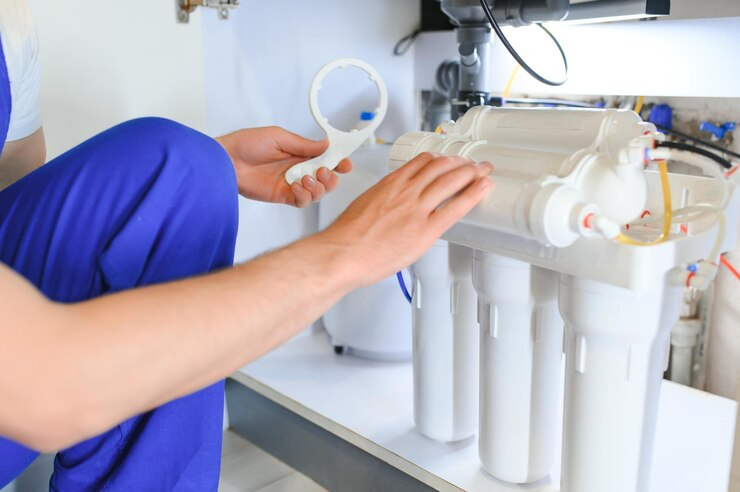
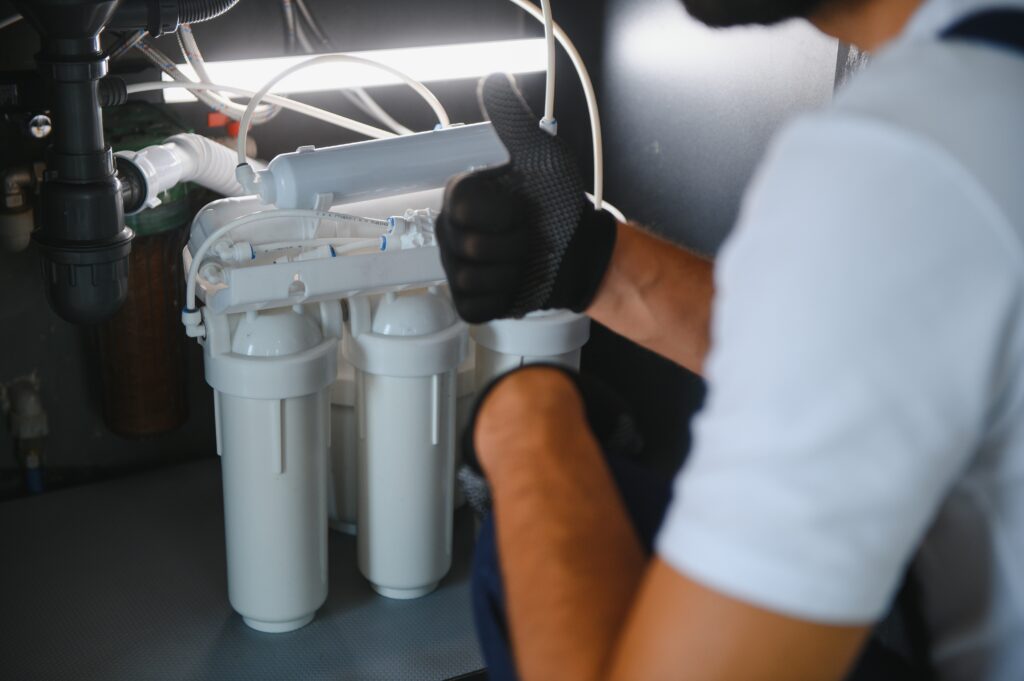
There’s nothing quite like the crisp, pure taste of water from a well-maintained filtration system. That first sip, so cold and clean, is why you invested in better water for your family. But when that taste starts to fade, or the flow from your faucet slows to a disappointing trickle, a little voice in your head asks the question that brought you here: “Is it time?” The answer, as your local water expert with 35 years of experience serving Oxnard, Ventura, and Camarillo, is that knowing how often to replace water filters is the single most important thing you can do to protect your system, your water quality, and your health. This is your definitive guide. Your Ultimate Water Filter Lifespan Guide Every water filtration system is a sequence of different filters, each with a specific job and its own replacement timeline. Think of it like the maintenance schedule on your car; ignoring the oil change can ruin the engine. Here is your straightforward water filter lifespan guide for the most common filter stages found in homes across Ventura County. Sediment Filters: Every 6 to 12 Months The sediment filter is your system’s first line of defense. It catches sand, silt, rust particles, and other physical debris before they can reach and clog the more delicate filters downstream. These should be replaced every 6 to 12 months. A clogged sediment filter is the number one cause of low water pressure filter problems. If you can’t remember the last time yours was changed, it’s time. Carbon Filters: Every 6 to 12 Months This is the workhorse of taste and odor removal. The carbon block chemically attracts and traps chlorine, volatile organic compounds, and other contaminants that make your water taste or smell like a swimming pool. When the carbon is exhausted, your water will start to taste bad. This is also a key step in when to change RO filters, as a saturated carbon filter allows chlorine to pass through and permanently damage your expensive RO membrane. RO Membrane: Every 2 to 3 Years The membrane is the heart of your reverse osmosis system. It’s a microscopic barrier that rejects dissolved solids, heavy metals like lead and arsenic, and a vast spectrum of other contaminants. A healthy membrane is critical. Following the proper reverse osmosis filter replacement guide means protecting this membrane with timely pre-filter changes and replacing it every 24 to 36 months. Alkaline/Post-Filters: Every 12 Months This is the final polishing stage on many premium RO systems. It adds healthy minerals back into the water and balances the pH for a smooth, refreshing finish. This filter should be changed annually to ensure your water tastes as exceptional as it is pure. 5 Warning Signs You Have a Dirty Water Filter Schedules are a great guideline, but your system will also talk to you. Here are the tell-tale dirty water filter symptoms that signal an immediate need for attention. 1. The Taste is Off This is the most obvious sign. If your filtered water suddenly tastes flat, metallic, salty, or like chlorine has returned, the carbon filter is likely exhausted. Knowing how to know if water filter is bad often starts with your taste buds. If your water tastes bad after filtration, stop drinking it and check your filters. 2. You Notice an Unpleasant Odor A rotten egg or musty smell from your water or the system itself is a serious red flag. It could indicate a spent filter or, worse, bacterial growth inside a filter that’s long overdue for replacement. This isn’t just an aesthetic issue; it’s a health concern. 3. The Water Flow Has Slowed to a Trickle If it takes forever to fill a glass of water from your RO faucet, you’re likely dealing with low water pressure filter problems. A severely clogged sediment or carbon filter is physically restricting the water from passing through. Fixing this could be as simple as a scheduled filter change. 4. The Water Looks Cloudy or Has Particles Your filtered water should be crystal clear. If you see cloudiness, floating white particles, or dark specks, the system is either releasing trapped contaminants or a filter has physically broken down. This is a clear visual cue that a water filter maintenance tips checklist needs to be immediately consulted. 5. You Hear Strange Noises Unusual gurgling, hissing, or a constant running sound from your filtration unit can indicate a pressure imbalance caused by a clogged filter. The system is struggling to do its job. Simple Water Filter Maintenance Tips for Every Homeowner Between professional services, a few simple practices can extend the life of your filters and ensure your system runs smoothly. These water filter maintenance tips are a cornerstone of good clean drinking water maintenance. First, mark your calendar. As soon as you have a new filter installed, set a digital reminder for its next replacement date. Don’t rely on memory. Second, periodically wipe down the exterior of your filter housings and check for any signs of leaks, condensation, or cracks at the connections. Catching a small leak early prevents cabinet damage and mold. Third, if you leave your home for an extended vacation, run the system for a full tank cycle when you return to flush out any stagnant water before you start drinking from it again. These small habits make a significant difference. When to Call Your Friend in the Water Business Changing a simple inline sediment filter can be a manageable DIY task, but a complete multi-stage reverse osmosis filter replacement is a different beast. A professional service call is the right choice when you need to replace the RO membrane, as this requires opening the membrane housing and sanitizing the entire system to prevent bacterial contamination. It’s also the right call if your water tastes bad after a DIY filter change, indicating a deeper issue like a ruptured membrane or an installation error. And if you simply want the peace of mind that comes from a 35-year veteran performing a full system diagnostic and tune-up, the call is obvious. Local Insider Tip As your neighbors in the water